

The unrest unfolding across Pakistan-occupied Kashmir (PoK) has reached a defining moment. What began as a public outcry over soaring electricity tariffs, inflation, wheat shortages and chronic political neglect is evolving into something much larger—a contest over the future direction of the region itself.
At the heart of that contest are two competing narratives. One is driven by ordinary citizens demanding better governance and accountability from Islamabad. The other seeks to redirect that anger towards the decades-old politics of the Kashmir dispute.
Recent appeals by figures associated with Pakistan-backed separatist networks illustrate this shift. Rather than treating the protests as a response to administrative failures inside PoK, they are attempting to recast them as part of the wider Kashmir conflict by appealing to people in India’s Union Territories of Jammu & Kashmir and Ladakh.
In many ways, that effort reflects a deeper problem for Pakistan’s long-standing Kashmir policy. The dominant conversation inside PoK is no longer centred solely on geopolitics. Increasingly, it revolves around governance, economic hardship and growing frustration with an administration many residents believe has failed to address their everyday concerns.
A Movement Rooted in Everyday Grievances
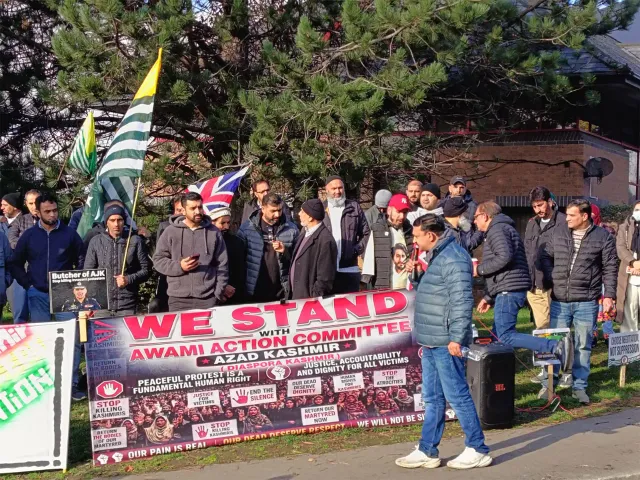
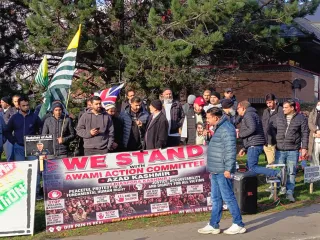
Over the past two years, the Jammu Kashmir Joint Awami Action Committee (JAAC) has emerged as one of the most influential civic platforms in Pakistan-occupied Kashmir. Unlike conventional political parties, it has built its support around issues that directly affect daily life—crippling electricity bills, rising inflation, new taxes and deteriorating public services.
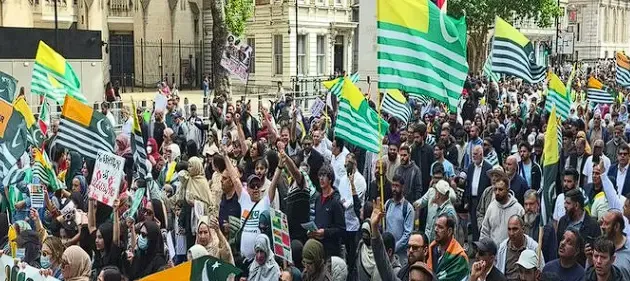
Large demonstrations in Muzaffarabad, Mirpur and other towns have repeatedly forced Pakistan’s federal government to the negotiating table. While Islamabad announced relief measures following earlier protests, many within the movement argue that the concessions addressed immediate pressures without resolving the deeper structural problems behind them.
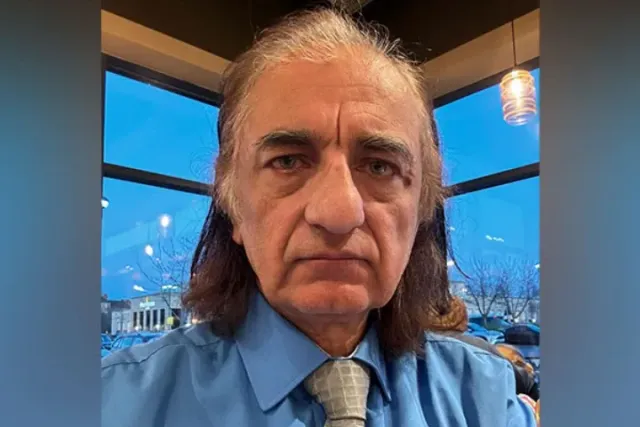
Against this backdrop, JAAC core member Sardar Aman Khan issued a public appeal urging not only residents of PoK but also people in Srinagar, Baramulla, Rajouri, Poonch, Mendhar, Jammu, Ladakh, Kargil and Gilgit-Baltistan to participate in demonstrations scheduled for July 5.
In his address, Khan described PoK as being under “siege”, accused Pakistani authorities of widespread repression and urged people across both sides of the Line of Control to “raise your voice against this oppression”.