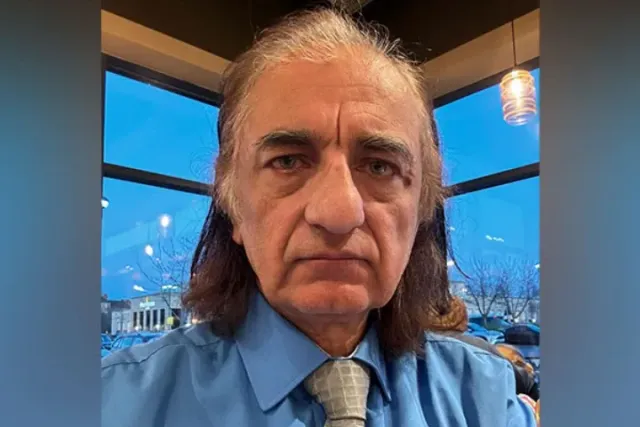

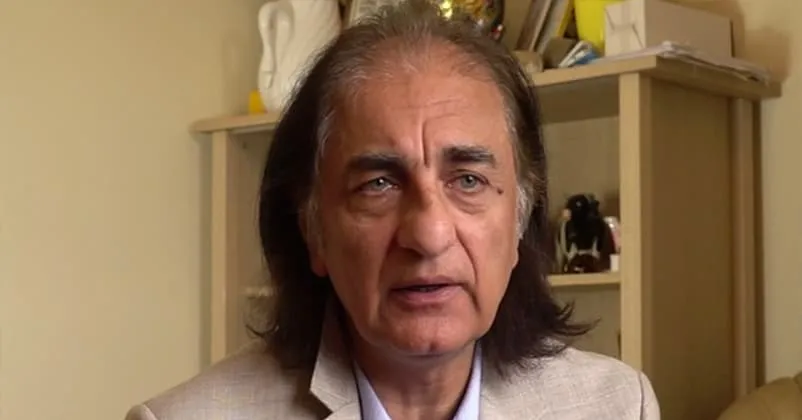
A political activist from Pakistan-occupied Jammu and Kashmir (PoJK) has criticised Pakistan’s proposed local government elections in Pakistan-occupied Gilgit-Baltistan (PoGB), alleging that the exercise could become another political arrangement without meaningful democratic empowerment. Amjad Ayub Mirza, in a video released on YouTube, questioned whether the elections, scheduled for December 5, 2026, would transfer authority to elected representatives or merely create the appearance of democracy under Pakistan’s existing political and administrative system.
Mirza highlighted the lack of clarity surrounding the proposed powers of local councillors, councils and mayors, warning that elections alone would not guarantee democratic governance. He questioned whether elected representatives would receive sufficient authority and development funds to address local issues. The activist drew parallels with local government elections held in PoJK after a gap of 33 years, claiming that councillors there continued to operate without adequate powers or development funding, while significant authority remained concentrated elsewhere.
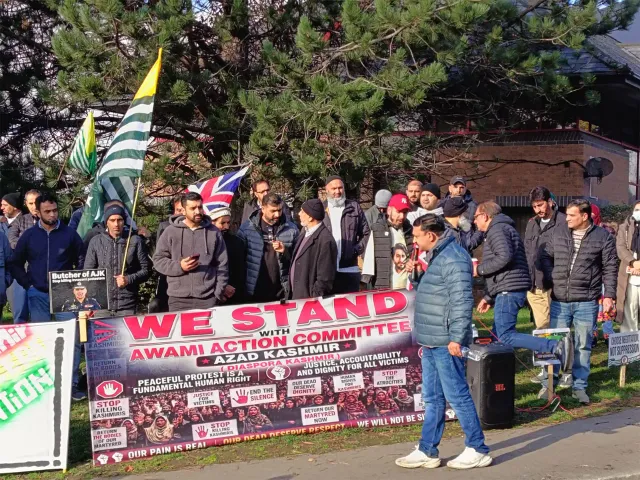
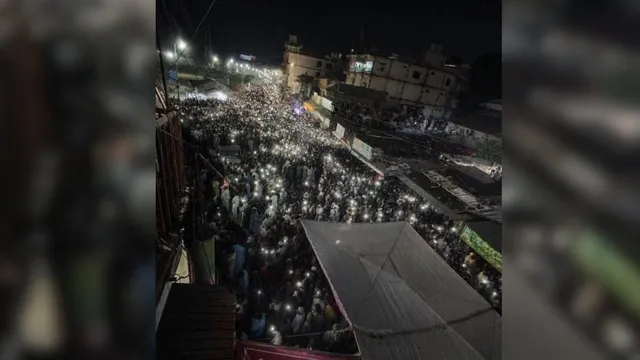
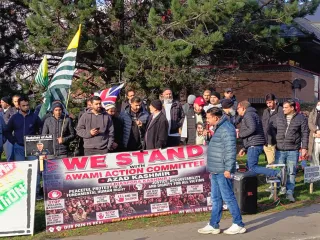
The Joint Awami Action Committee’s (JAAC) demands in PoJK, including the abolition of 12 Assembly seats allegedly used to influence government formation and political outcomes, were also referenced by Mirza. He linked the committee’s movement to wider demands for political rights, accountability and the rule of law. Mirza argued that competing political and ideological narratives had hindered the emergence of a unified movement focused on PoGB’s political future.
Discussing PoGB’s political landscape, Mirza referred to activists Ahsan Ali Advocate and Baba Jan, highlighting the history of political mobilisation and imprisonment associated with demands for rights in the region. The proposed local government elections have sparked criticism, with many questioning the extent to which elected representatives will be empowered to address local issues. The elections are scheduled to take place on December 5, 2026, and will be closely watched by observers interested in the region’s political development.
The lack of clarity surrounding the proposed powers of local councillors, councils and mayors has raised concerns about the effectiveness of the elections in transferring authority to elected representatives. Mirza’s criticism has highlighted the need for greater transparency and accountability in the electoral process, ensuring that elected representatives receive sufficient authority and development funds to address local issues.
In the context of PoGB’s complex political landscape, the proposed elections have sparked a wider debate about the region’s political future. The history of political mobilisation and imprisonment associated with demands for rights in the region has created a sense of mistrust among locals, who are skeptical about the ability of elected representatives to effect meaningful change.
As the elections approach, observers will be watching closely to see whether the Pakistani government will take steps to address the concerns raised by Mirza and other critics. The extent to which elected representatives will be empowered to address local issues will be a key indicator of the success of the elections in promoting democratic governance in the region.
In conclusion, the proposed local government elections in PoGB have sparked criticism and debate about the region’s political future. The lack of clarity surrounding the proposed powers of local councillors, councils and mayors has raised concerns about the effectiveness of the elections in transferring authority to elected representatives. As the elections approach, it remains to be seen whether the Pakistani government will take steps to address the concerns raised by critics and ensure that elected representatives receive sufficient authority and development funds to address local issues.
The situation in PoGB is complex, with competing political and ideological narratives hindering the emergence of a unified movement focused on the region’s political future. However, the proposed elections provide an opportunity for the Pakistani government to demonstrate its commitment to democratic governance and the empowerment of elected representatives. The international community will be watching closely to see how the situation develops, and whether the elections will mark a significant step forward for democracy in the region.
Ultimately, the success of the elections will depend on the extent to which elected representatives are empowered to address local issues and promote democratic governance. The Pakistani government must take steps to address the concerns raised by critics and ensure that the elections are free, fair, and transparent. Only then can the people of PoGB have confidence in the electoral process and the ability of elected representatives to effect meaningful change.
The proposed local government elections in PoGB are an important development in the region’s political landscape. The elections have sparked criticism and debate, but they also provide an opportunity for the Pakistani government to demonstrate its commitment to democratic governance and the empowerment of elected representatives. As the elections approach, observers will be watching closely to see how the situation develops and whether the elections will mark a significant step forward for democracy in the region.