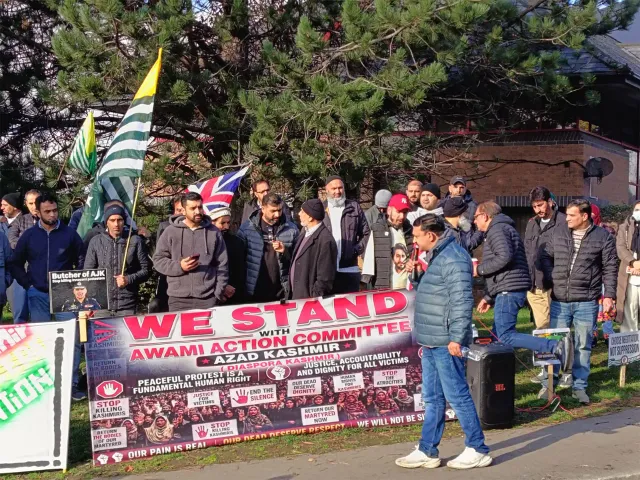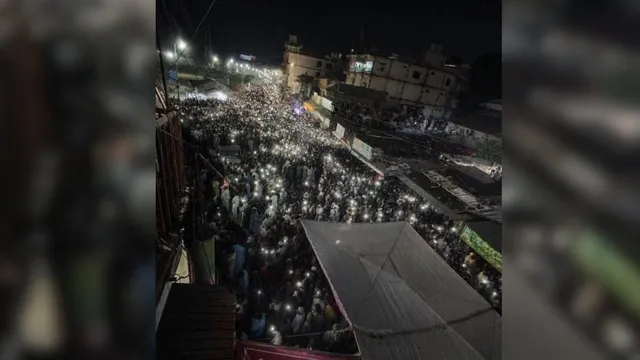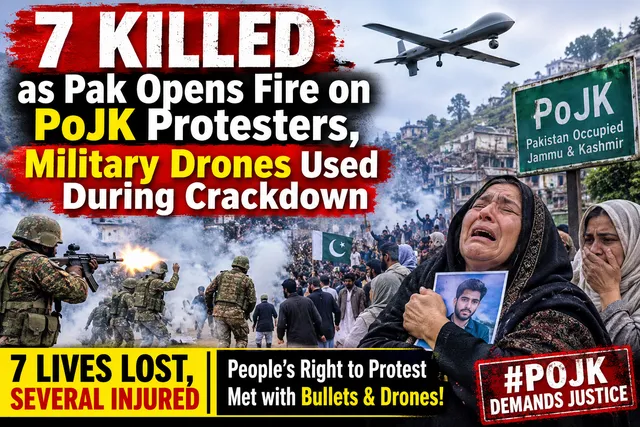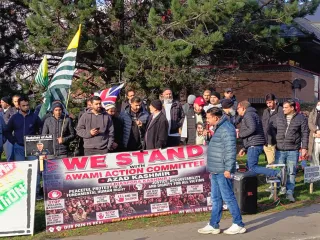
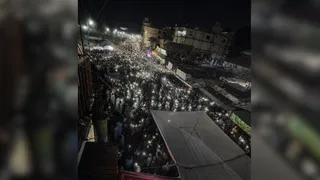

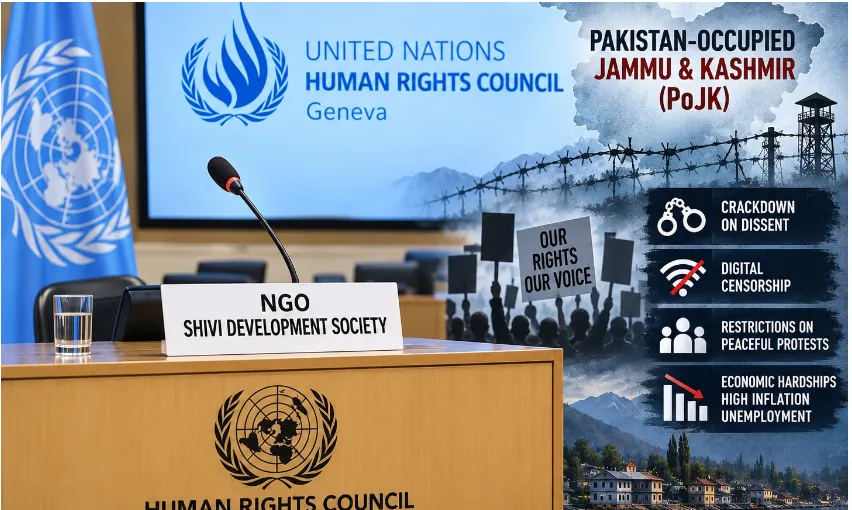
The human rights situation in Pakistan-administered Jammu & Kashmir (PoJK) has drawn renewed attention at the UN Human Rights Council in 2026. UN High Commissioner for Human Rights Volker Türk called for prompt, thorough and impartial investigations into deaths during the unrest, while raising concerns over arrests of protest leaders, restrictions on peaceful assembly and association, due-process guarantees, and prolonged internet restrictions.
The concerns extend beyond the immediate protests. Human-rights documentation has reported allegations involving civilian deaths, arbitrary detention, missing persons, restrictions on communications, raids, disruption of access to food and medicines, and limitations on civic space. These allegations require independent verification and impartial investigation where disputed.
The issue has also featured in the 63rd session of the Human Rights Council, where a civil-society speaker raised concerns about the situation in Pakistan-administered Jammu & Kashmir, including reported civilian deaths, arrests and restrictions affecting essential supplies. Pakistan challenged the statements and called for adherence to UN procedures and territorial sovereignty.
Earlier OHCHR reporting also identified structural concerns in Pakistan-administered Kashmir, including restrictions on freedom of expression, assembly and association under the constitutional framework of Azad Jammu & Kashmir.
At the UNHRC, the core questions are therefore: accountability for reported deaths, protection of peaceful assembly, due process for detainees, restoration of communications, access to essential services, protection of journalists and human-rights defenders, and independent international scrutiny of alleged violations.