

Do you like this personality?
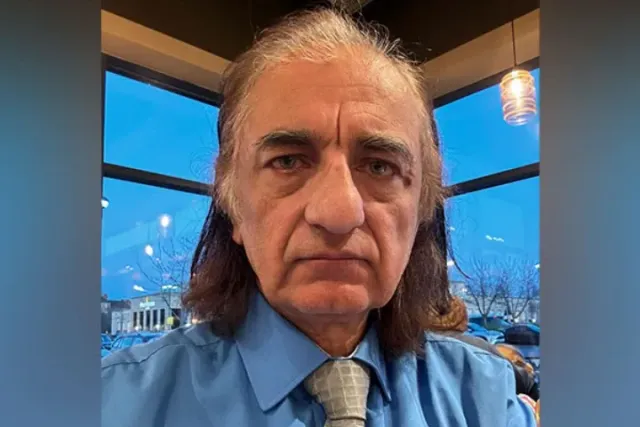
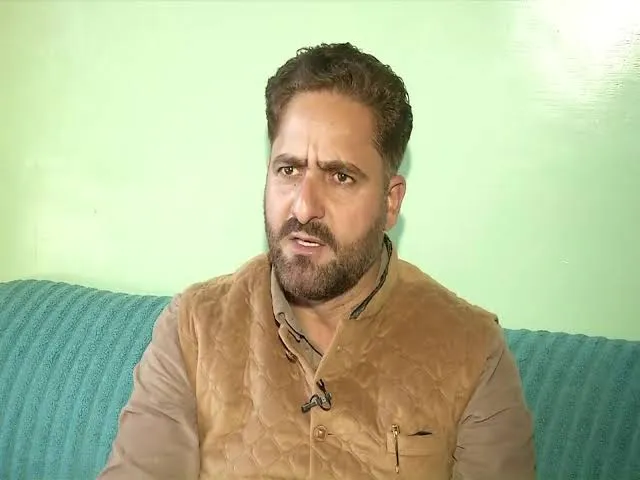
Javed Beigh, a human rights defender from Jammu and Kashmir, has condemned Pakistan’s tribal invasion of the former princely state on October 22, 1947. He accused the Pakistani establishment of violence, oppression, and ongoing human rights violations in Pakistan-occupied Jammu and Kashmir (PoJK) and Pakistan-occupied Gilgit-Baltistan (PoGB).
Described October 22 as one of the darkest days in Kashmir’s history, alleging that Pakistani forces and tribal fighters targeted civilians of various faiths, including Hindus, Sikhs, Muslims, and Christians, during their advance into the region.
He paid tribute to Kashmiri resistance figures, particularly Maqbool Sherwani, whom he credited with sacrificing his life to protect civilians and uphold Kashmir’s secular identity. Beigh said the actions of such individuals reflected values of humanity and communal harmony.
Beigh argued that the decision by Jammu and Kashmir’s leadership to align with India in 1947 demonstrated a commitment to an inclusive society despite the Muslim-majority population in the region. He accused Pakistan of attempting to undermine Kashmir’s pluralistic identity through its military intervention.
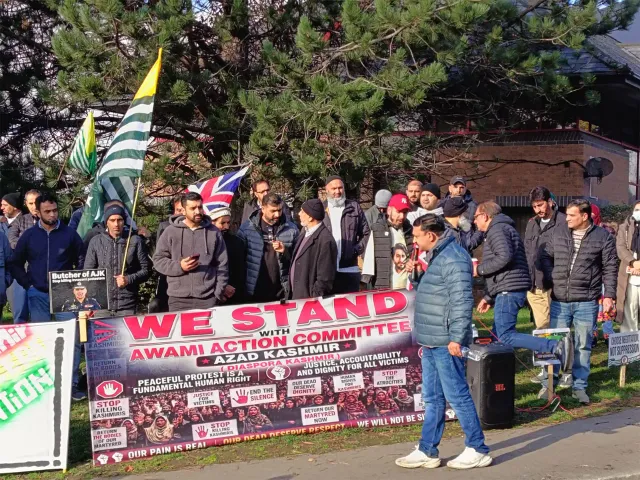
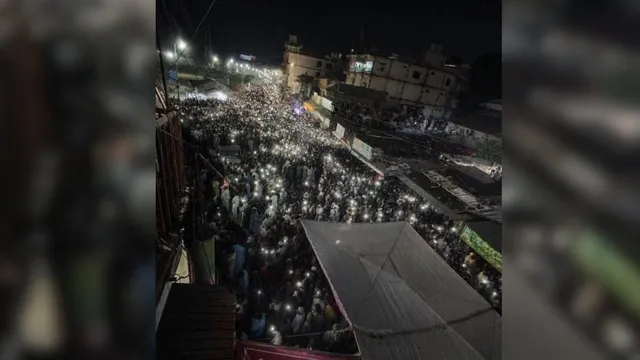
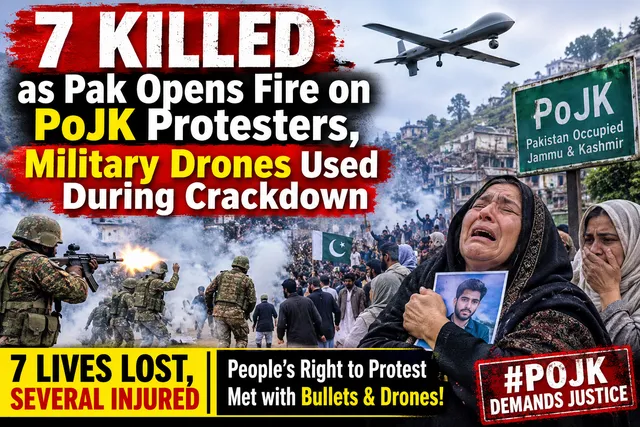
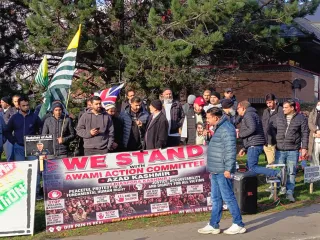
Regarding the current situation in PoJK and PoGB, Beigh alleged that residents continue to face restrictions on civil liberties, political repression, and economic hardships. Referring to recent unrest, he claimed civilians were killed during crackdowns and that some victims’ bodies had not been returned to their families. He also alleged that thousands of Kashmiris remain imprisoned and expressed concern over the reported detention and whereabouts of Joint Action Committee (JAAC) chairman Shaukat Nawaz Mir.
Beigh criticised Pakistan’s handling of political representation in the region, alleging election manipulation and that local leaders operate under the influence of the Pakistani establishment and intelligence agencies. He also highlighted public grievances concerning electricity prices, flour costs, and inadequate basic services.
Contrasting conditions in Indian Jammu and Kashmir with those in PoJK, Beigh noted infrastructure development, improved railway connectivity, tourism growth, and enhanced access to public institutions. He cited the under-construction Zojila Tunnel as an example of efforts to strengthen connectivity with Ladakh.