

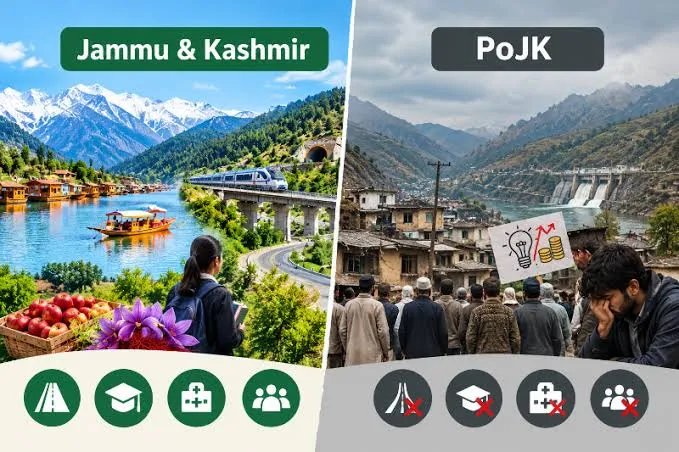
The comparison between Jammu & Kashmir and Pakistan-occupied Jammu & Kashmir (PoJK) raises important questions about development, governance, infrastructure, civil liberties, and the future of the people on both sides of the Line of Control.
While Jammu & Kashmir has seen investments in roads, connectivity, healthcare, education, tourism, and public infrastructure, people in PoJK continue to raise concerns about economic opportunities, public services, political representation, and accountability. A meaningful comparison must examine the realities on the ground and ensure that the voices and aspirations of ordinary people are heard.
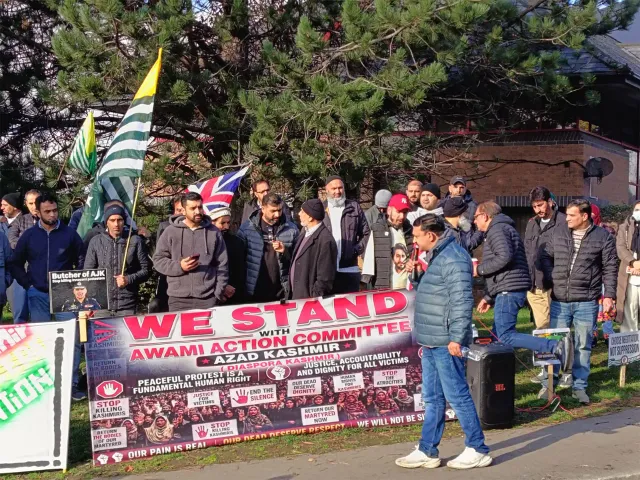
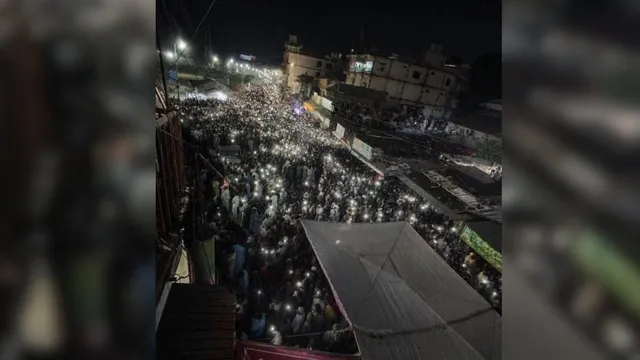
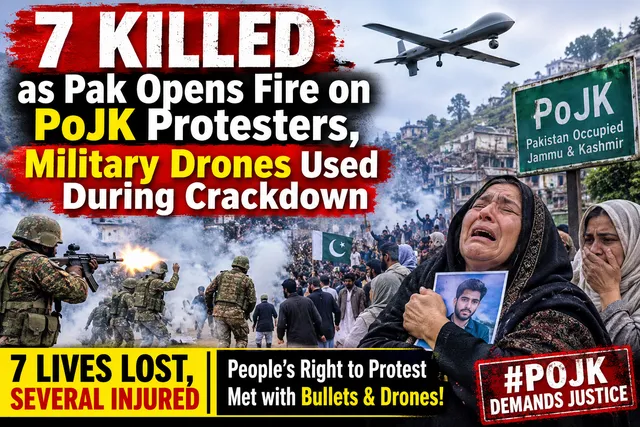
Beyond development indicators lies a deeper concern: the protection of human rights and the dignity of every citizen. Allegations of military interference in civilian affairs, systemic discrimination, restrictions on freedom of expression, and enforced disappearances in PoJK demand credible, independent investigation and transparent accountability. Every allegation deserves impartial scrutiny, and every victim and affected family deserves justice.
The people of PoJK deserve transparent institutions, accountable civilian governance, equitable economic development, reliable infrastructure, quality education and healthcare, and the freedom to express their concerns without fear. Their future must be shaped by the will, welfare, and democratic aspirations of the people themselves.
Two regions, one shared human dignity — development must be measured not only in roads and buildings, but also in justice, freedom, opportunity, and the protection of human rights.
Let the demand be clear: civilian-led governance, independent human rights oversight, transparent public institutions, justice for victims of alleged abuses, and equitable development for every community.
Justice, dignity, accountability, and progress must belong to everyone in Kashmir.