

Introduction: A Crisis That Demands International Scrutiny
For decades, Pakistan-administered Jammu and Kashmir (PoJK) has remained at the centre of a bitter political dispute, with questions surrounding civilian rights, democratic representation, governance and the region’s future. Yet, beyond competing territorial claims, the experiences and demands of the people living in the region deserve independent scrutiny.
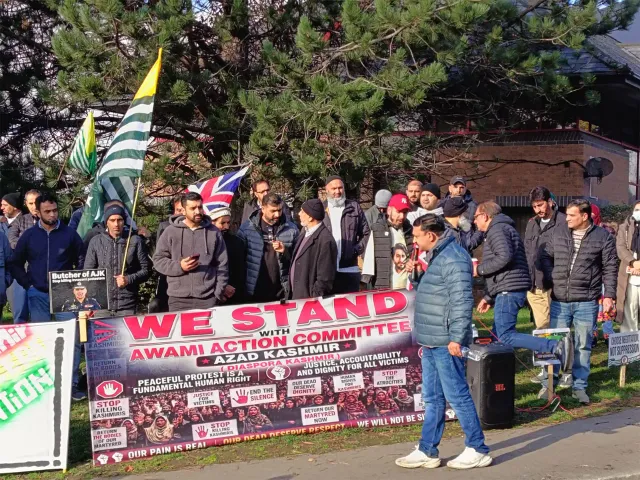
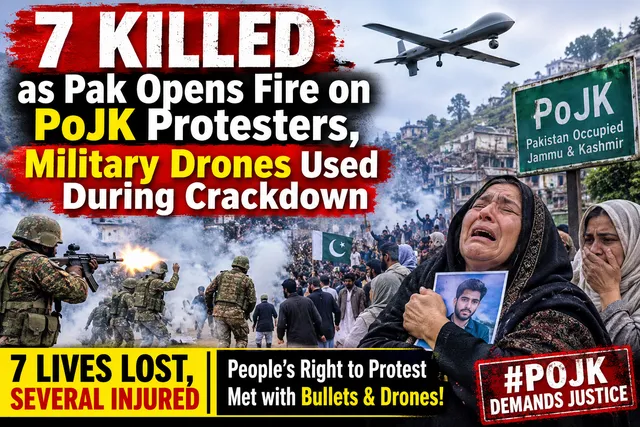
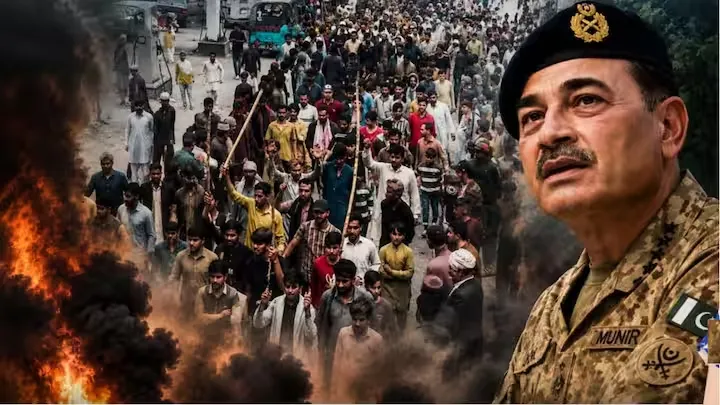
In 2026, protests and unrest in Pakistan-administered Kashmir brought these concerns into sharper international focus. Reports of civilian deaths, arrests, restrictions on public gatherings and interruptions to internet access prompted calls for investigations and political dialogue from the United Nations human rights leadership.
unognewsroom.org
+1
For residents demanding economic relief, political accountability and fundamental freedoms, the central question is whether the authorities will respond through meaningful democratic engagement or continue to rely on coercive measures.
The allegations of repression have also intensified scrutiny of Pakistan’s military and intelligence establishment, including claims concerning the Inter-Services Intelligence (ISI). Such allegations require credible evidence and independent investigation; they should not be confused with findings formally established by the United Nations.
1. The United Nations Raises Concerns Over the Use of Force
On 17 July 2026, the Office of the UN High Commissioner for Human Rights (OHCHR) publicly expressed concern over unrest in Pakistan-administered Kashmir. The UN reported that dozens of people, including protesters and law-enforcement personnel, had reportedly been killed since June. It called for prompt, thorough and impartial investigations into all deaths.
ECOI
The UN also raised concerns about the banning of the Joint Awami Action Committee (JAAC), arrests of its leaders, restrictions on public gatherings and internet access, and the rights of detainees to legal representation, family contact and a fair trial. It called for meaningful and inclusive political dialogue.
ECOI
These interventions are significant because they place civilian protection and political freedoms at the centre of international scrutiny. They do not, however, establish that every reported allegation has been proven or that the United Nations has formally implicated the ISI in the violence.
2. Civilian Protests and the Question of Military Accountability
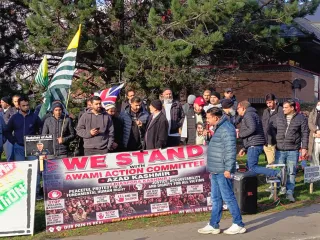
The 2026 unrest reflected longstanding grievances over economic conditions, political representation and governance. The JAAC emerged as a prominent platform for demands concerning the cost of living and local rights, while disputes over political arrangements and the implementation of earlier agreements contributed to tensions.
The Human Rights Commission of Pakistan (HRCP), following a fact-finding mission, reported institutional distrust, restrictions on expression and connectivity, and a confrontational state response that included the disproportionate use of force. It also acknowledged conflicting accounts of the violence and said the full circumstances of civilian casualties could not be independently established by its mission.
HRCP
+1
These findings raise serious questions about the use of force by security personnel and the safeguards available to citizens exercising their rights to peaceful assembly and expression.
The essential demand is accountability based on evidence. Every reported unlawful killing, arbitrary detention or act of excessive force should be independently investigated. Where wrongdoing is established, those responsible—including officials who ordered, authorised or concealed unlawful acts—should face appropriate legal consequences.
3. The ISI Allegations: Transparency, Evidence and Accountability
Pakistan’s military and intelligence institutions have long been subjects of scrutiny in regional security debates. Allegations concerning the ISI’s involvement in militant networks, political interference or coercive activities require careful examination of specific incidents, documentary evidence and credible investigations.
In the context of PoJK, allegations of intelligence involvement should be assessed through verifiable evidence, including authenticated records, credible witness testimony, judicial proceedings and independent investigative findings.
The UN’s July 2026 statement on unrest in Pakistan-administered Kashmir focused on reported deaths, restrictions on civil liberties, arrests and the need for impartial investigations. It did not announce a finding that the ISI directed the violence or establish an ISI-linked terrorist network in the region.
ECOI
That distinction matters. A credible accountability campaign is strengthened—not weakened—when it clearly separates documented violations, allegations awaiting investigation and conclusions supported by established evidence.
4. International Human Rights Concerns Cannot Be Ignored
International scrutiny has continued beyond the UN statement. On 21 August 2026, the International Bar Association’s Human Rights Institute called for independent investigations, judicial oversight and respect for due process amid reports of violence and restrictions during protests in Pakistan-administered Kashmir.
International Bar Association
The HRCP subsequently called for urgent, inclusive political dialogue, identifying institutional distrust and the disproportionate use of force as factors that deepened polarisation.
HRCP
Taken together, these interventions establish a substantial basis for demanding further investigation into the region’s human rights situation. They also underscore the importance of access for independent journalists, protection for human rights defenders and transparency concerning deaths, injuries and detentions.
The international community should press for the publication of reliable casualty and detention records, access to legal representation for detainees, the preservation of evidence and independent inquiries into allegations of unlawful violence.
5. What Accountability Should Look Like
A meaningful international response should focus on practical measures rather than rhetoric alone:
- Independent investigations: Establish the circumstances of reported civilian deaths and serious injuries, identify the units and individuals involved, and assess whether the force used was lawful and proportionate.
- Due process: Ensure that detainees have access to lawyers and their families, receive fair trials and are not punished solely for peaceful political activity.
- Freedom of expression: Restore unrestricted communications and protect journalists, civil society organisations and peaceful demonstrators from unlawful intimidation.
- Transparency: Publish credible information about casualties, arrests, detention locations and the status of missing persons.
- International monitoring: Encourage relevant UN mechanisms and independent human rights organisations to examine allegations impartially and seek access to affected communities.
- Evidence-based accountability: Investigate any substantiated allegations of misconduct by military, intelligence, police or civilian officials, without presuming guilt before the evidence is assessed.
These measures would help distinguish political accusations from demonstrable violations and provide victims and their families with a credible route to justice.
Conclusion: The Demand for Truth Must Outlast the Headlines
The unrest in Pakistan-administered Jammu and Kashmir has brought renewed attention to the relationship between state authority, civilian rights and political accountability. UN human rights officials and independent organisations have raised concerns about deaths, arrests, communications restrictions and the use of force, while calling for investigations and dialogue.
ECOI
+2
The allegations surrounding Pakistan’s military and the ISI deserve scrutiny wherever credible evidence warrants it. But the strongest case for accountability rests on verified facts, transparent investigations and the consistent application of international human rights standards.
For the people of PoJK, justice requires more than competing political narratives. It requires answers about those who died, clarity about those who remain detained or missing, protection for peaceful dissent and accountability wherever unlawful conduct is established.
The ultimate test is whether the authorities permit the truth to emerge—and whether those responsible for proven violations are held accountable under the law.